Index > HKBU Musketeers Foundation — Traditional Chinese Medicine Research Institute for Age-related Diseases
A new institute. An ancient philosophy.
Context
Hong Kong Baptist University established the Musketeers Foundation Traditional Chinese Medicine Research Institute for Age-related Diseases, a first-of-its-kind academic centre dedicated to applying the ancient wisdom of TCM to the modern challenges of an ageing population.
The institute required an identity that could carry weight on two registers simultaneously: the credibility of a world-class research institution and the deep cultural authenticity of a practice rooted in over 3,000 years of Chinese philosophy and healing tradition.
Direction
The institute is grounded in Traditional Chinese Medicine, a system shaped by the philosophy of Taiji. First recorded in the I-Ching, Taiji describes the dynamic principle underlying natural phenomena: a continuous movement between opposing forces, always seeking balance.
This same logic underpins TCM, diagnosing imbalance and restoring harmony through a holistic, long-term approach.
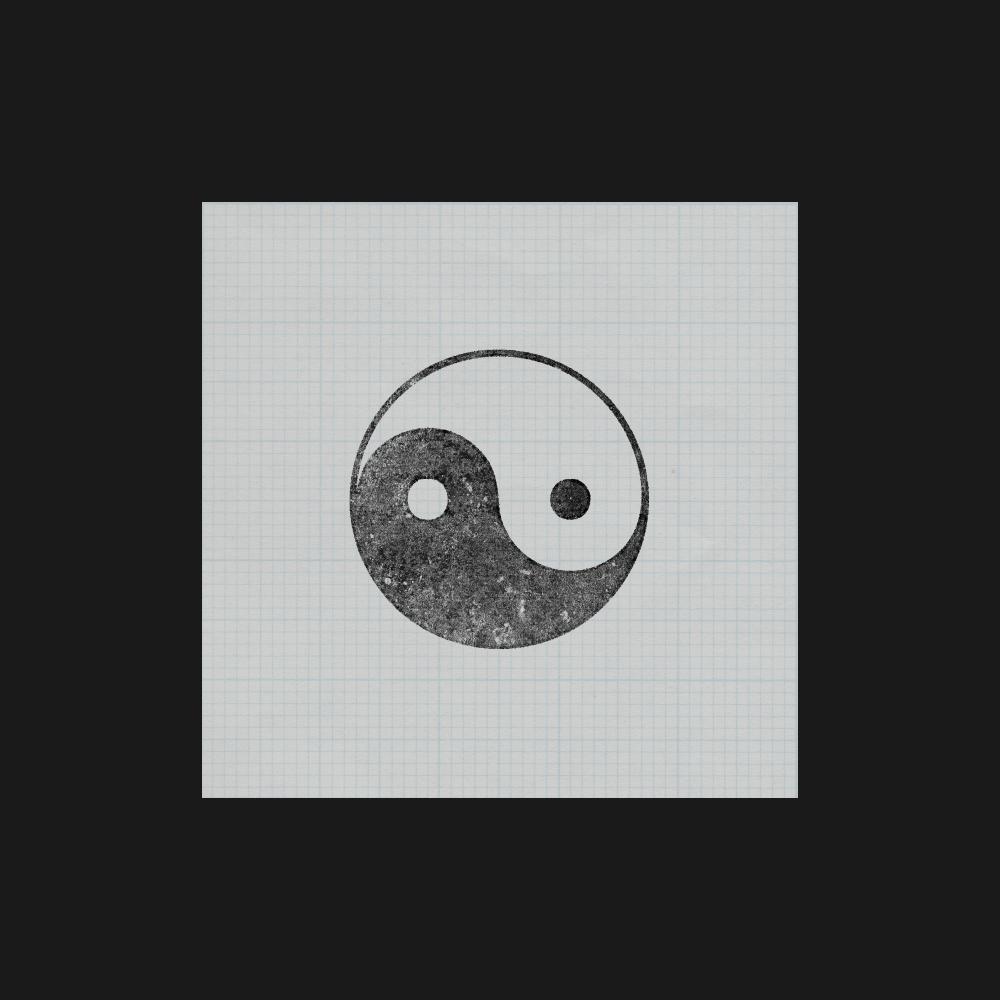
To express the institute's philosophy, we were drawn to the Yin-Yang symbol as the clearest representation of balance. Opposing forces are not separate but interdependent, each containing the seed of the other to form a unified whole.
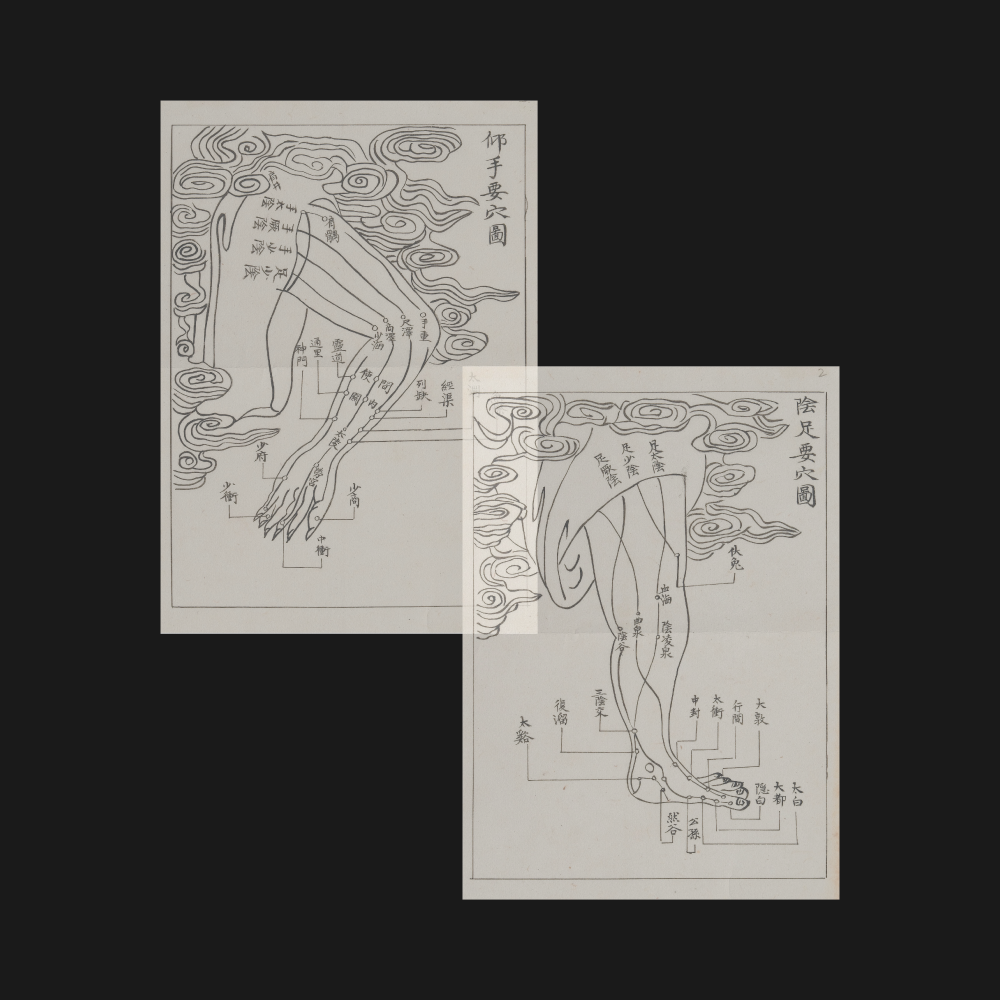
Traditional Chinese Medicine sees the body the same way: an interconnected system, not a set of isolated parts. Acupuncture charts and anatomical diagrams map relationships between elements, where each is defined by its role within the whole.
Image Credit: Wellcome Collection
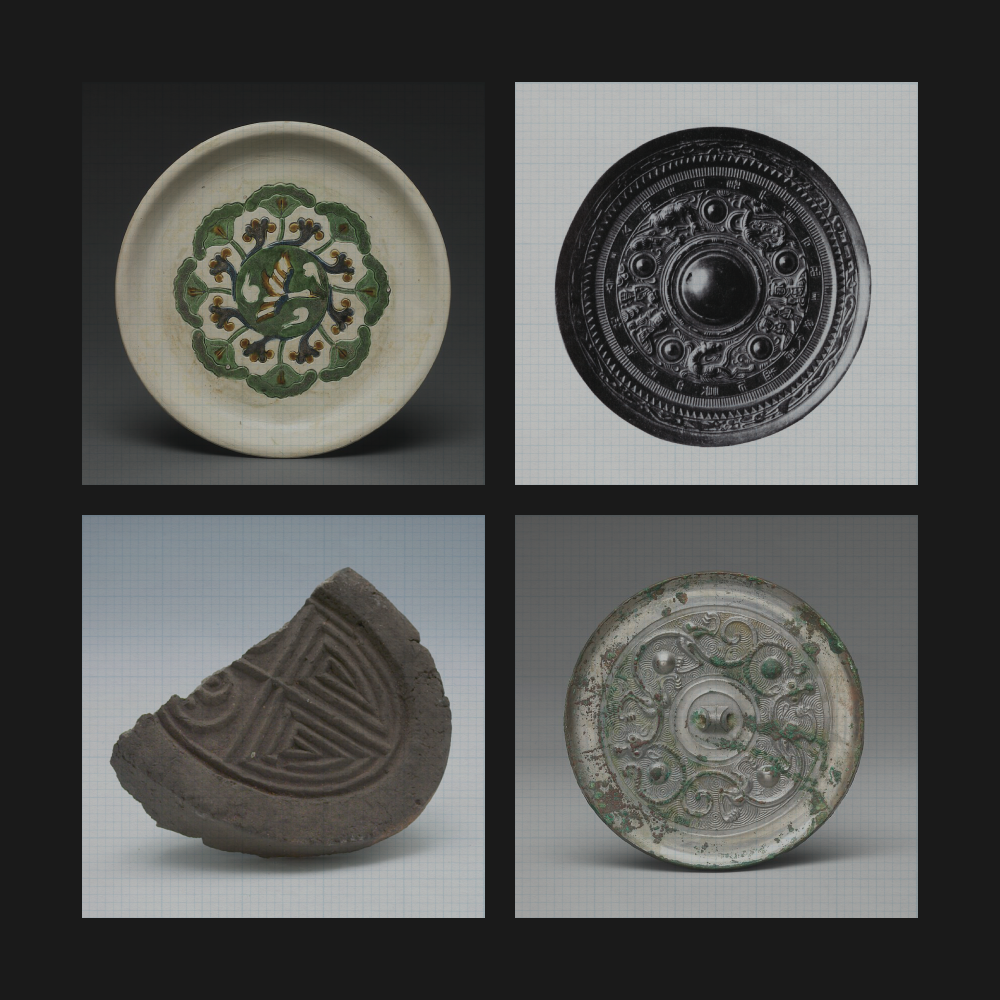
Throughout Chinese history, this same principle has taken circular form, from ceramics to carved motifs, complex ideas distilled into simple, balanced geometries.
Image Credits: The Met collection
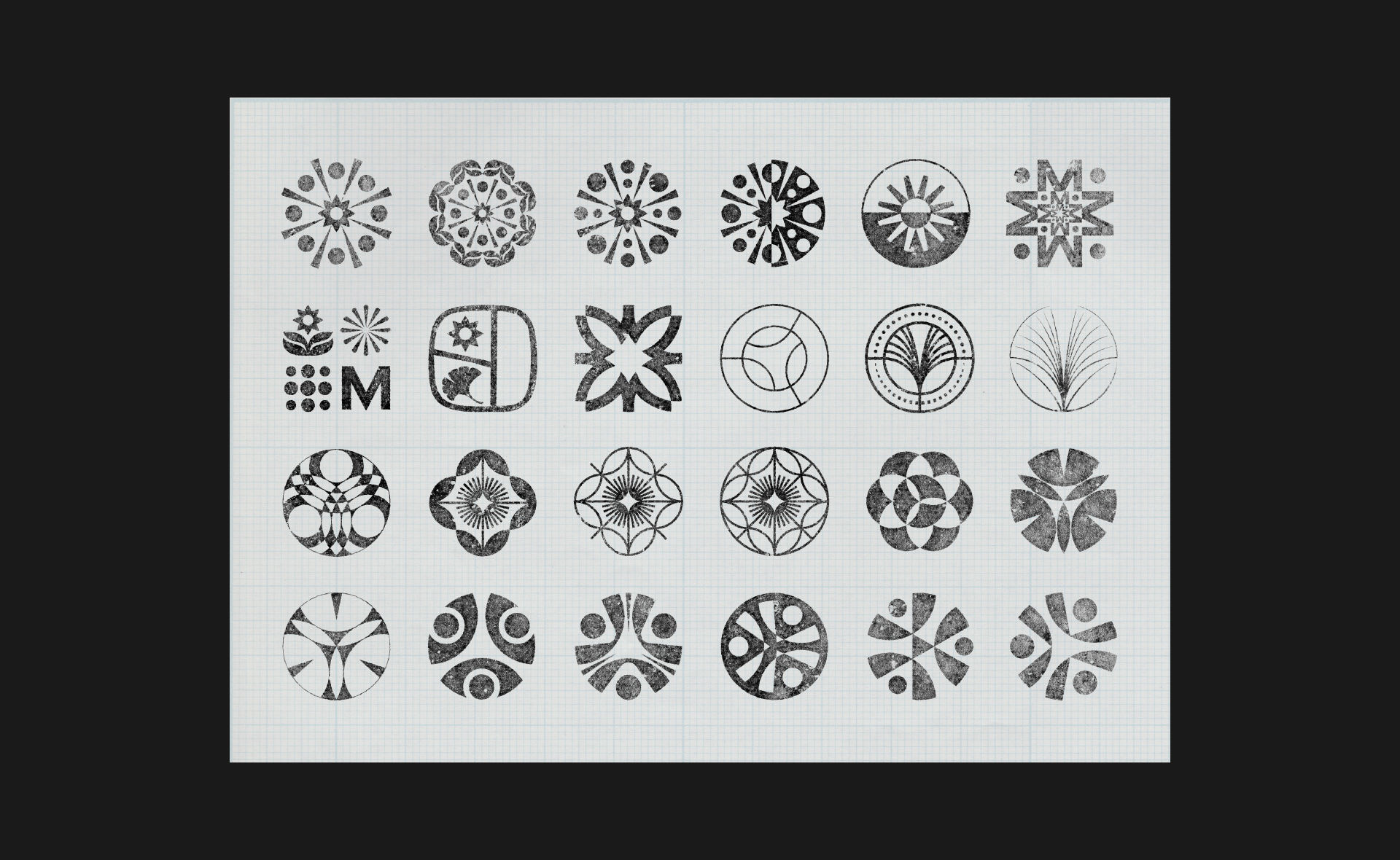
These references informed a simplified visual language, reducing complex philosophical and medical systems into a clear, contemporary mark.
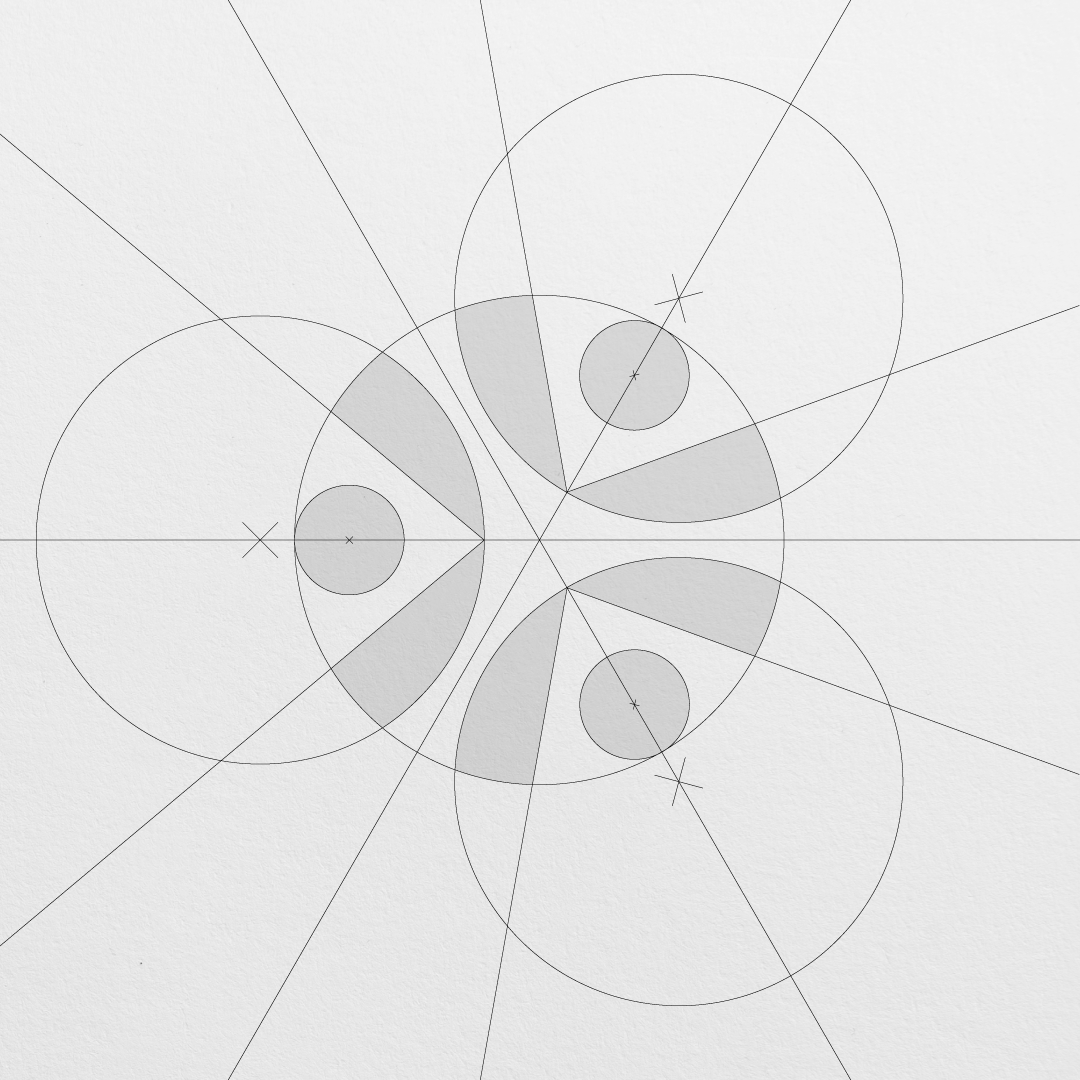
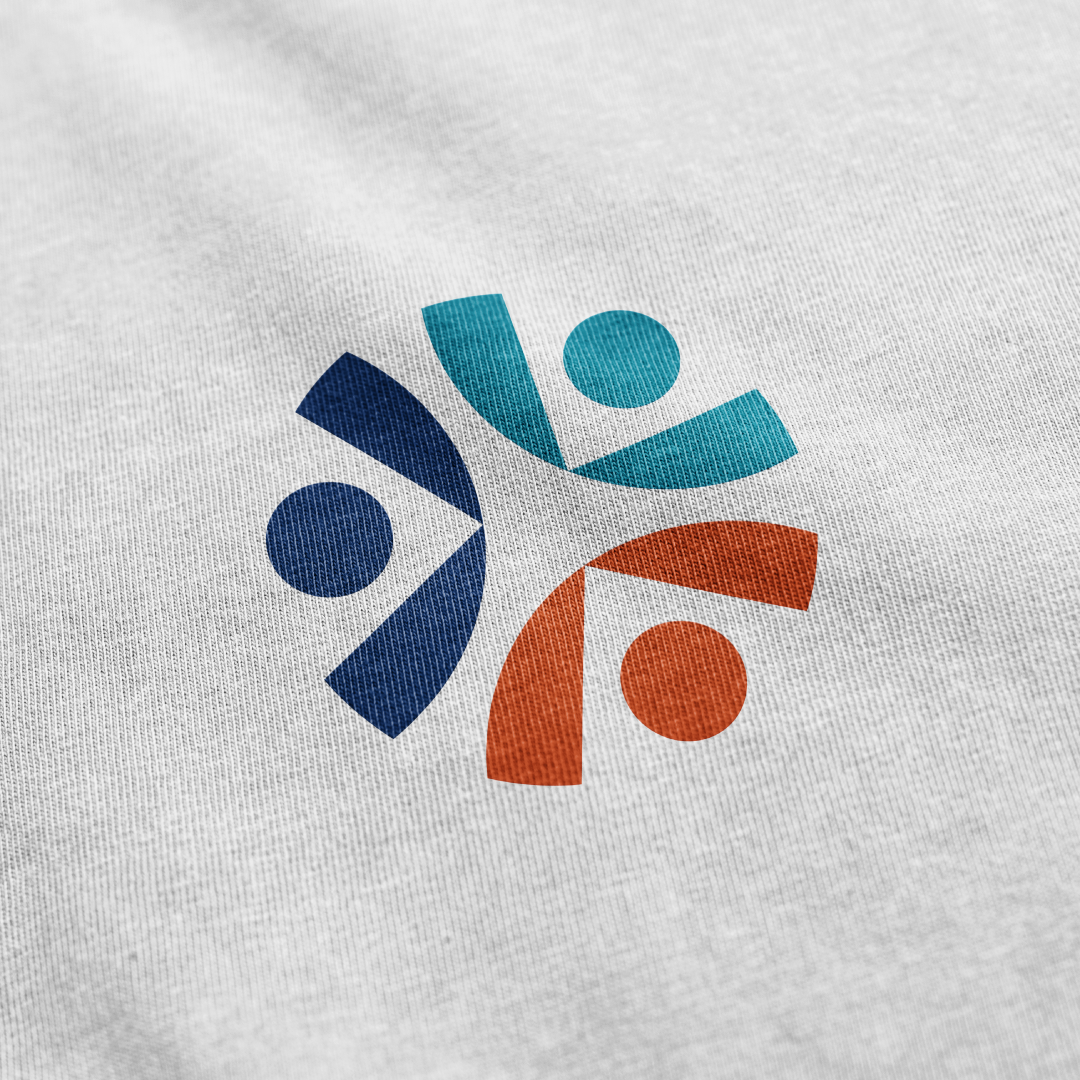
The result is a balanced, radial composition in which three interdependent elements form a unified whole, expressing continuity, harmony, and shared purpose.
Identity
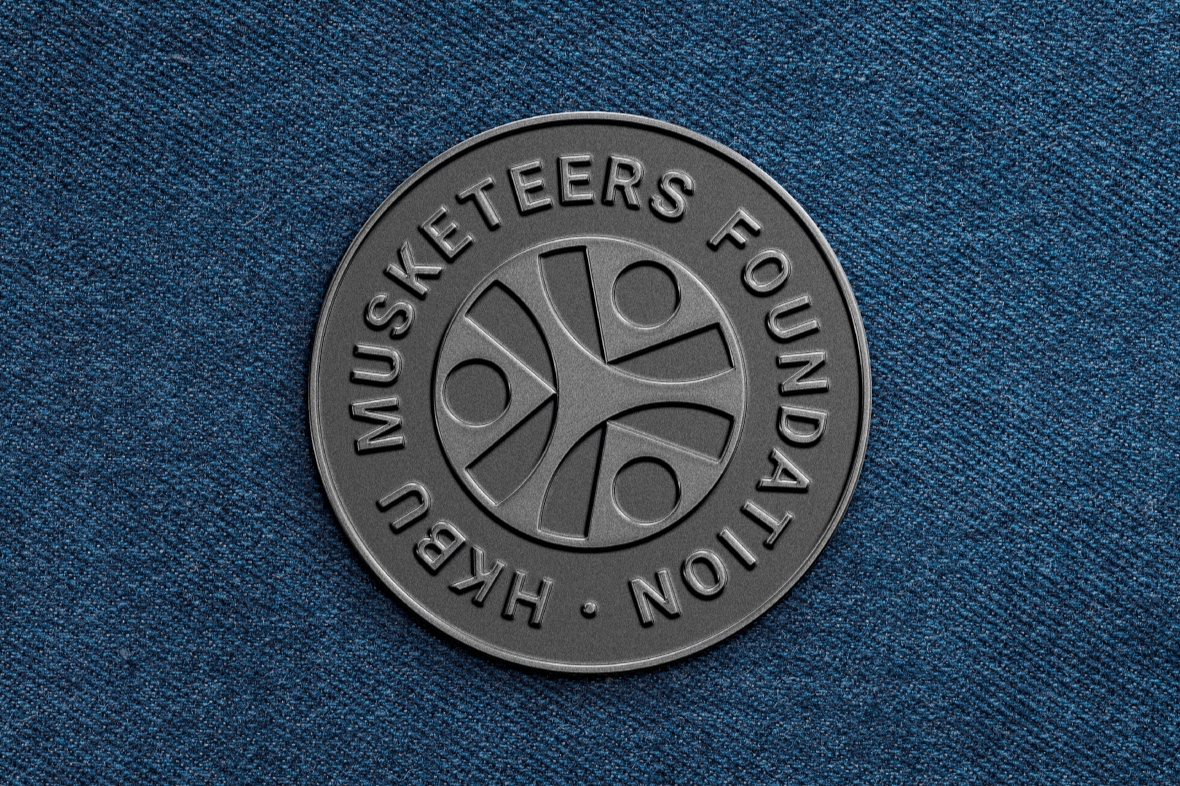
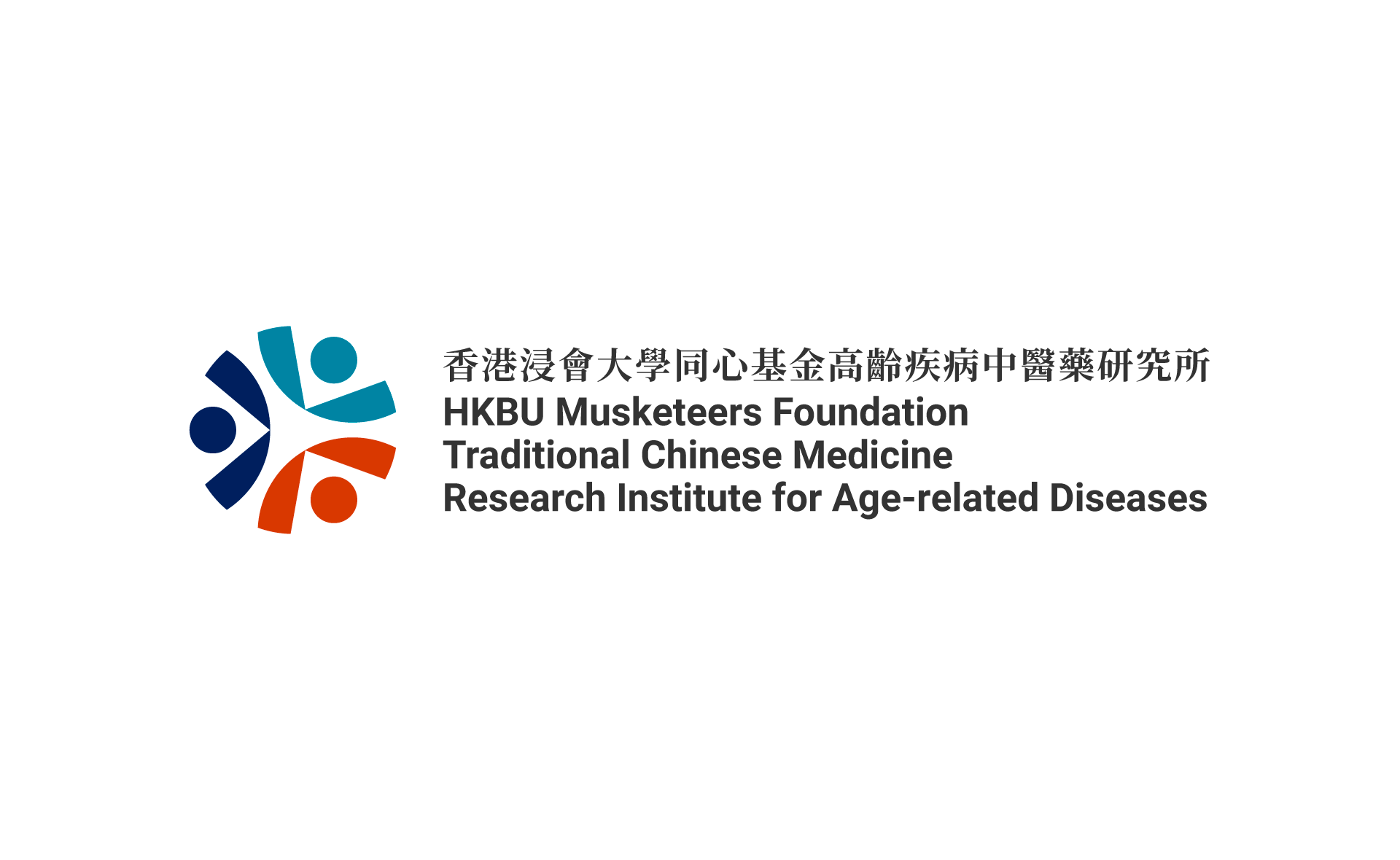
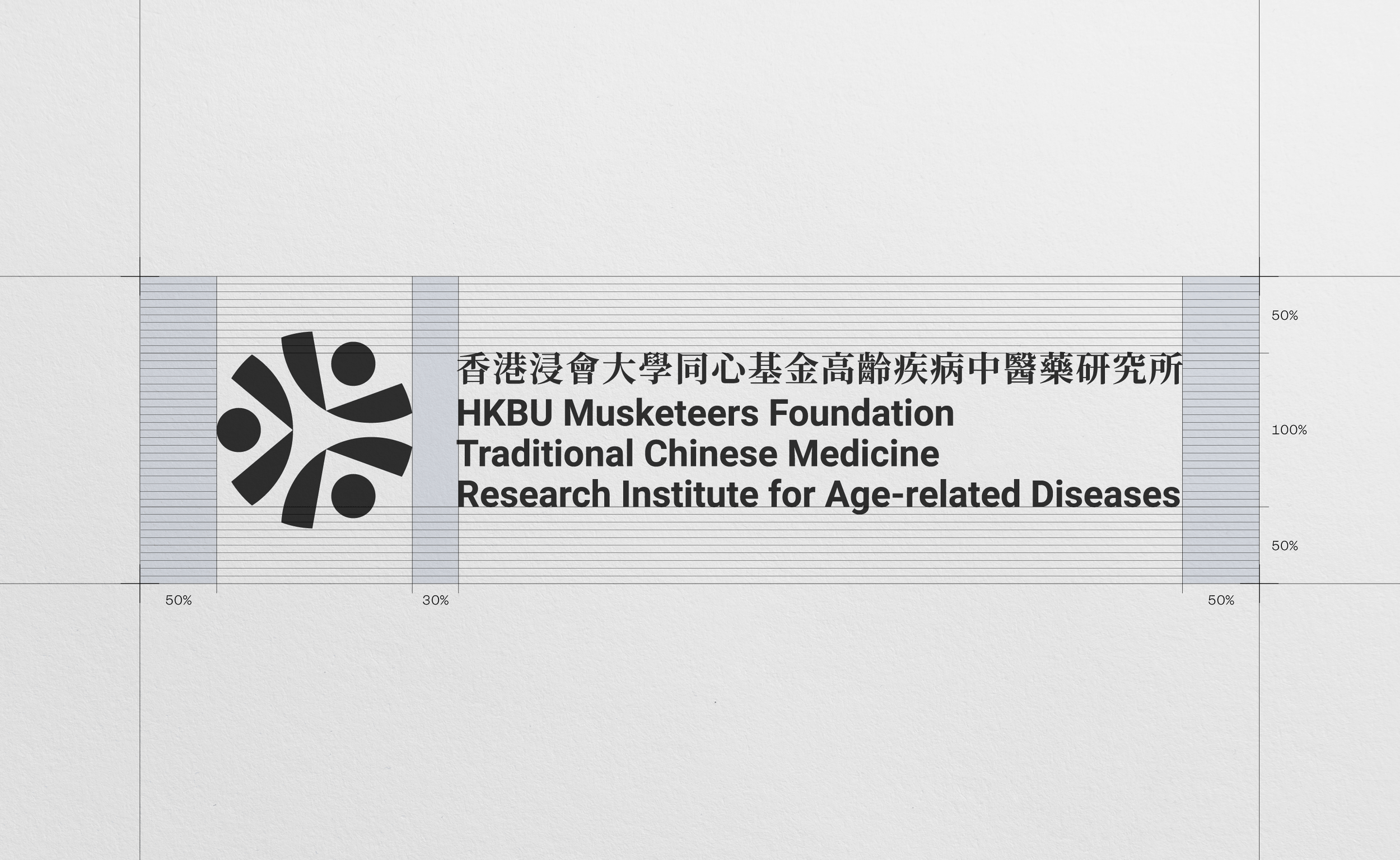
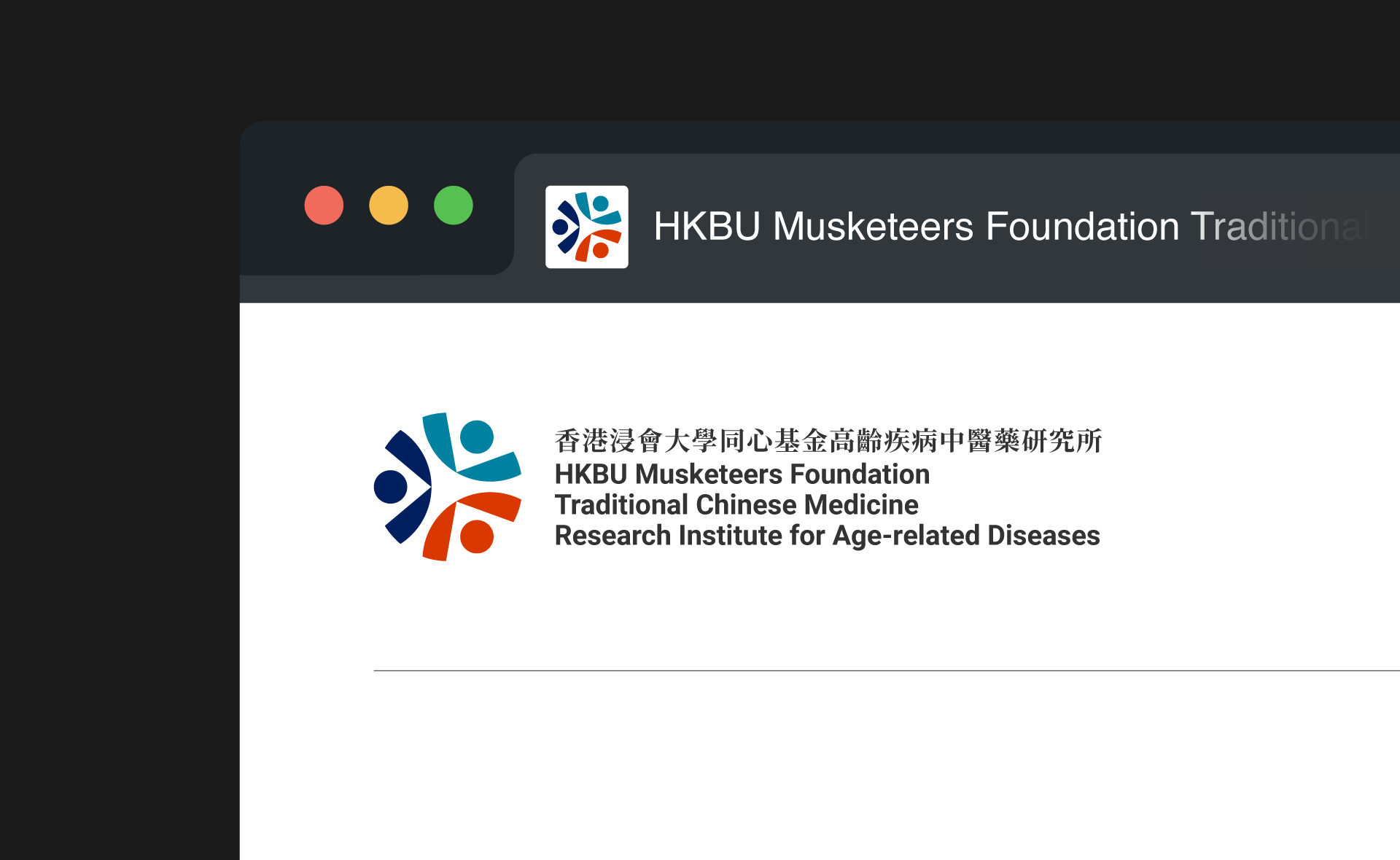
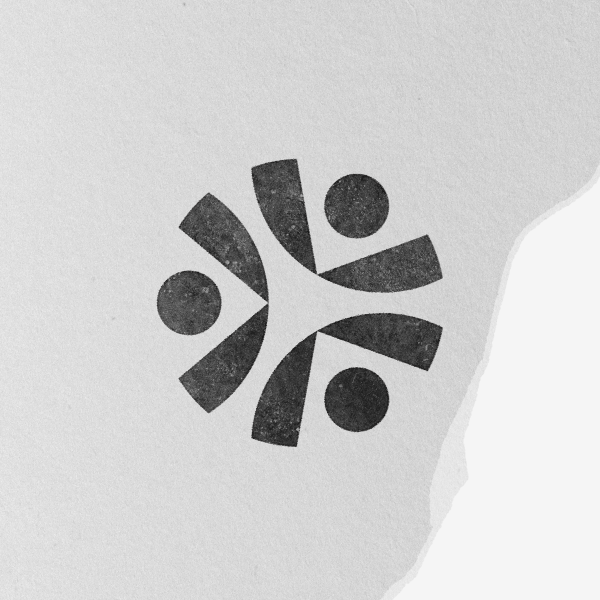
The logomark is built around a balanced threefold structure that expresses the importance of balance, interconnected systems, and the institute’s core framework.

Three Founders
Three equal elements represent the institute’s three founding partners. United by a shared vision, purpose and collective strength, they form the foundation the institute was built on.

Three therapeutic pillars
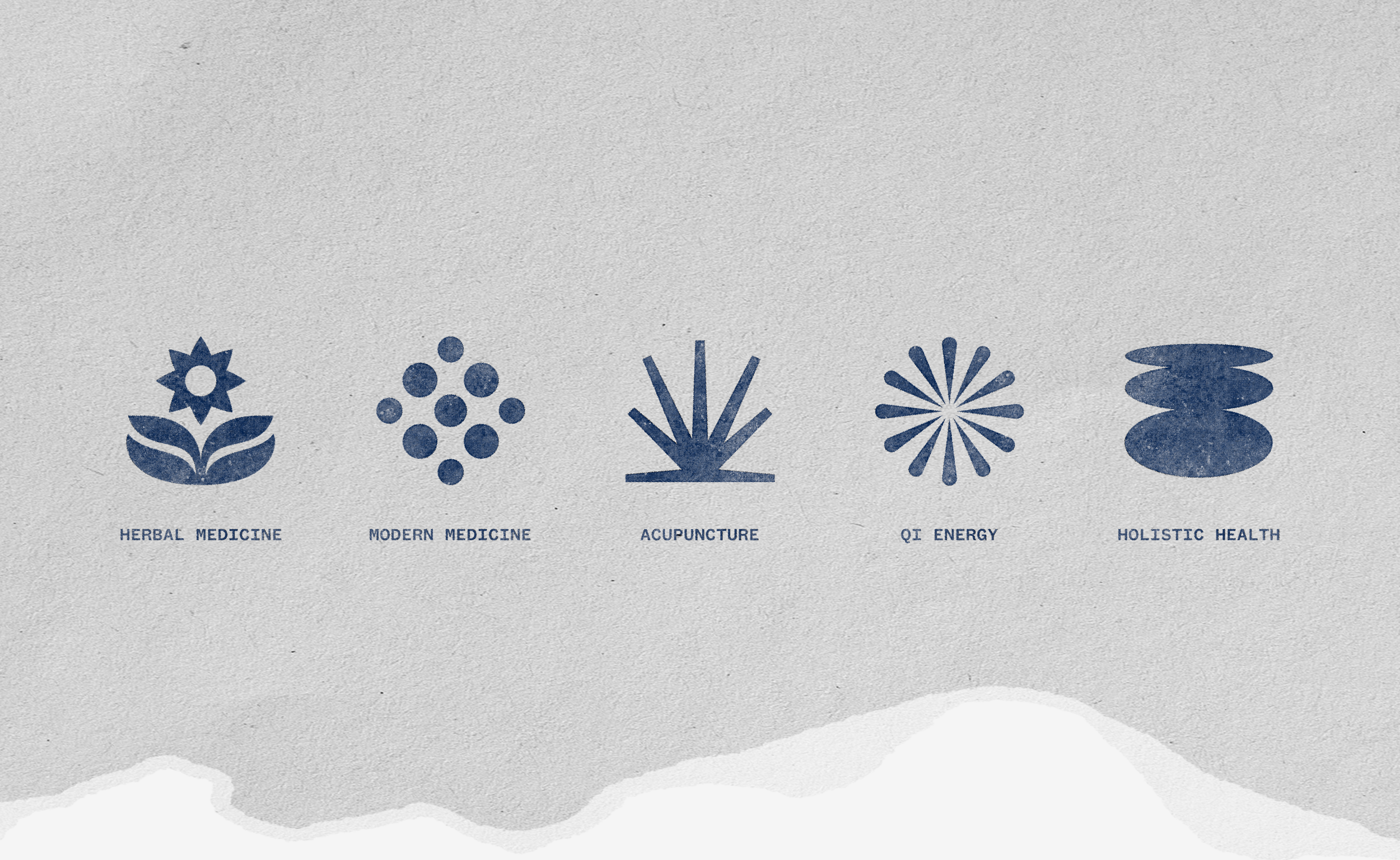
Three complementary forms represent the institute’s therapeutic disciplines: herbal medicine, acupuncture and new medicine development, brought together in one system.

Three focus areas
Three colours mark the institute’s core research areas: neurodegenerative and neuropsychiatric disease, obesity and diabetes, and osteoarthritis, unified within a single logomark.
Together, these elements form a cohesive whole that expresses balance, collaboration, and interconnectedness, principles central to Traditional Chinese Medicine.
The circular composition reinforces continuity and longevity, aligning with the institute’s mission to advance age-related research and position Hong Kong as an international hub for Chinese medicine development.
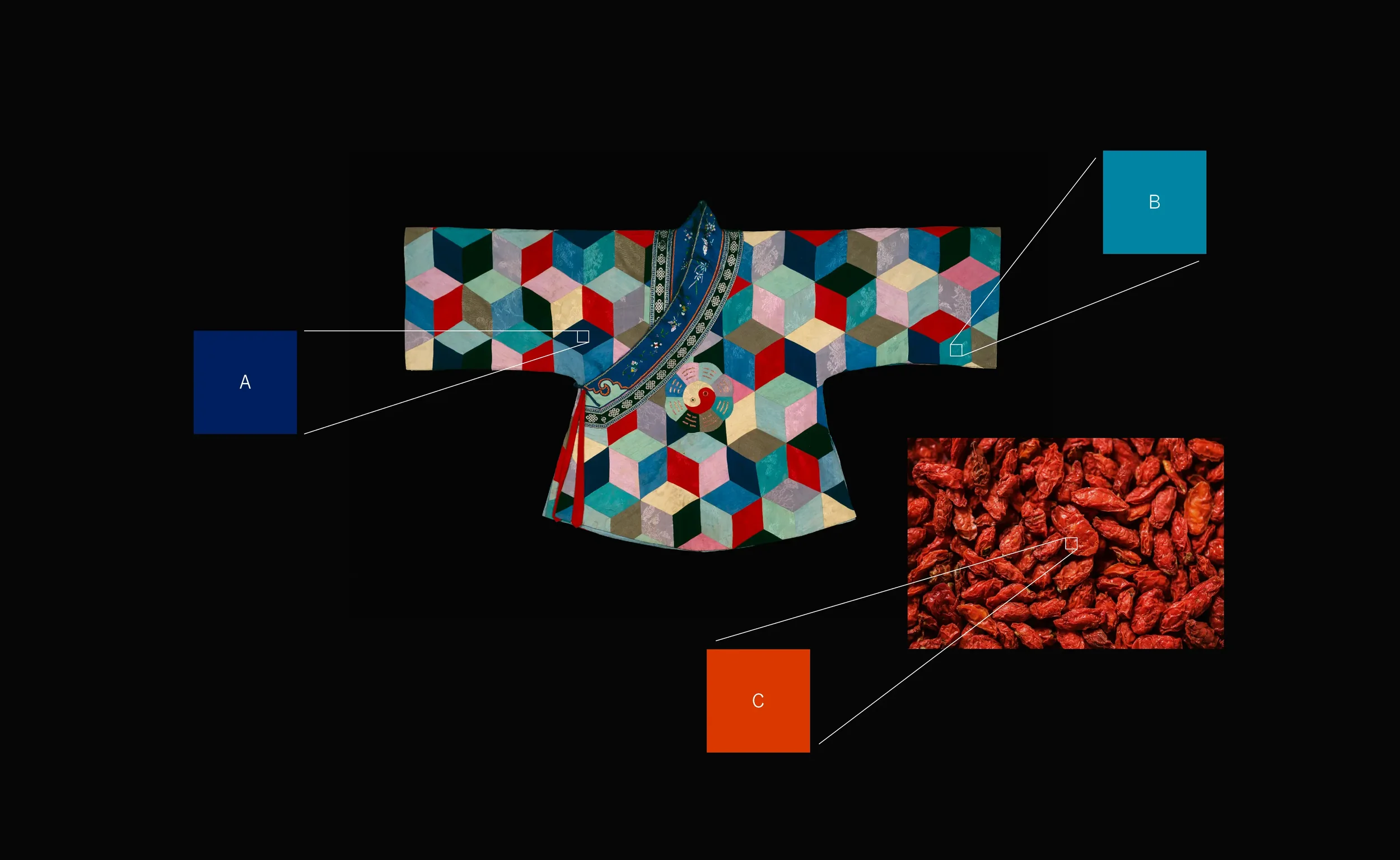
The deep blue conveys clarity, knowledge, and trust, reflecting the institute’s academic foundation.
Teal introduces a sense of restoration, sitting between knowledge and healing to represent the integrative nature of Traditional Chinese Medicine.
The earthy orange draws from natural ingredients such as goji berries, long associated with vitality and longevity, aligning with the institute’s focus on age-related health.
These tones are informed by cultural references, including a Qing dynasty baijia pao (“one hundred household robe”), where layered blues and teals create harmony, alongside traditional herbal ingredients that bring warmth and vitality to the palette.
Image credit: Art Institute of Chicago
Expression
Next project